

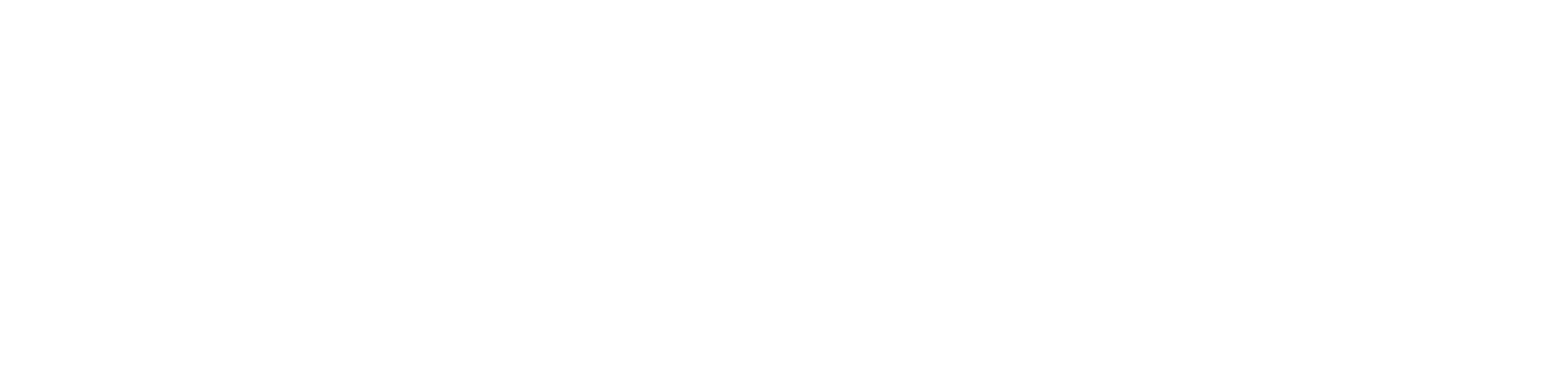
What if the future of sustainable transport depends on the people who power it?
GreenShift brings together 16 partners from 9 European countries to advance the use of Artificial Intelligence and High-Performance Computing in sustainable transport.
Through a new European Master's programme, industry collaboration, and hands-on innovation, the project is equipping professionals with the skills needed to drive Europe's green and digital transition.

The GreenShift Mission
GreenShift exists to close the gap between Europe’s ambitions for sustainable, technology-driven mobility and the skills needed to make them a reality.
-
Transport is becoming increasingly digital, data-driven and technology-intensive, while the skills needed to apply these technologies are not developing at the same pace.
-
GreenShift aims to move advanced digital skills from specialist domains into practical use across the transport and mobility sector.
-
To help build a European workforce capable of turning technological progress into more sustainable, efficient and resilient mobility.
-
GreenShift brings this ambition to life through a joint European Master’s programme, flexible micro-credentials, applied industry challenges, hackathons and innovation activities that connect learning with real mobility-sector needs.
-
To create learning pathways, skills and European connections that continue strengthening the mobility ecosystem beyond the lifetime of the project.

Value Proposition by Segment
GreenShift connects education with real mobility-sector needs, offering each partner segment tailored access to talent, training, collaboration and visibility.
-
Direct contact with graduates before they enter the market.
Access for their own employees to individual modules through micro-credentials or to the full master's programme.
The opportunity to propose real operational challenges for students to work on.
Visibility as an employer among a European cohort of specialised professionals.
-
Access for staff to individual modules through micro-credentials or to the full master's programme.
The opportunity to bring real mobility and infrastructure challenges into the curriculum.
Contact with graduates trained specifically for the transition public administrations are managing.
Association with a programme co-funded by the European Commission.
-
Access to technical profiles trained in AI and HPC applied to transport before they enter a competitive market.
The opportunity to propose real product or process challenges for students to work on at no cost.
Flexible upskilling for the existing team through micro-credentials.
The credibility that comes from being associated with a European programme.
-
A permanent accredited structure that can carry your learning outputs beyond the end of the funding period.
Access for your members to modules and micro-credentials.
Joint dissemination across nine European countries.
A contribution to the exploitation and sustainability obligations both parties report against.
-
A channel to reach an industrial audience across nine European countries.
The opportunity to contribute expertise to the curriculum of an accredited European master's programme.
Access for your own students to micro-credentials combining green and digital skills.
Collaboration with a consortium of European academic and industry partners.
The Consortium
A European Collaboration
GreenShift brings together universities, AI and HPC centres, SMEs, large enterprises, labour market organisations and non-profit partners, combining expertise across research, education and real-world transport innovation.
-
![]()
Flexible workforce solutions for a changing world of work.
-
![]()
High-performance computing and digital services for R&D.
-
![]()
Helping organisations to transform digital skills at scale.
-
![]()
Fast-tracking connectivity and certifying value.
-
![]()
Ensuring access to in-demand tech skills for quality employment.
-
![]()
Supercomputing for science, industry, and society.
-
![]()
Transforming brands through web design and digital marketing.
-
![]()
Industry-aligned higher education and research in digital technologies.
-
![]()
Training the new generation of professionals in data science and AI.
-
![]()
Transforming large-scale R&D data into actionable strategic insights.
-
![]()
Facilitating ICT infrastructure for universities & research institutions.
-
![]()
Delivering fixed & mobile telephony, internet, data, and ICT services.
-
![]()
Engineering the digital backbone of modern industry.
-
![]()
Powering European innovation and entrepreneurship from Lisbon.
-
![]()
Advancing digital innovation through AI and supercomputing.
-
![]()
A legacy of excellence in science, engineering, and the humanities.










Our Role
As one of GreenShift’s 16 partners, Unicorn Factory Lisboa, though greenhub, contributes to the project by strengthening local ecosystem engagement, outreach, access to training and inclusion.
1
Foster connection-building with SMEs and startups in our region to encourage participation and capacity building.
Contribute to programme outreach and student recruitment through dissemination and communication activities.
2
Provide expertise and infrastructure to facilitate the offering of micro-credentials, industry certifications and short courses to local SMEs and professionals.
3
Support the inclusion of socio-economically disadvantaged students by promoting scholarships and diversity initiatives.
4